Sleeping Beauty
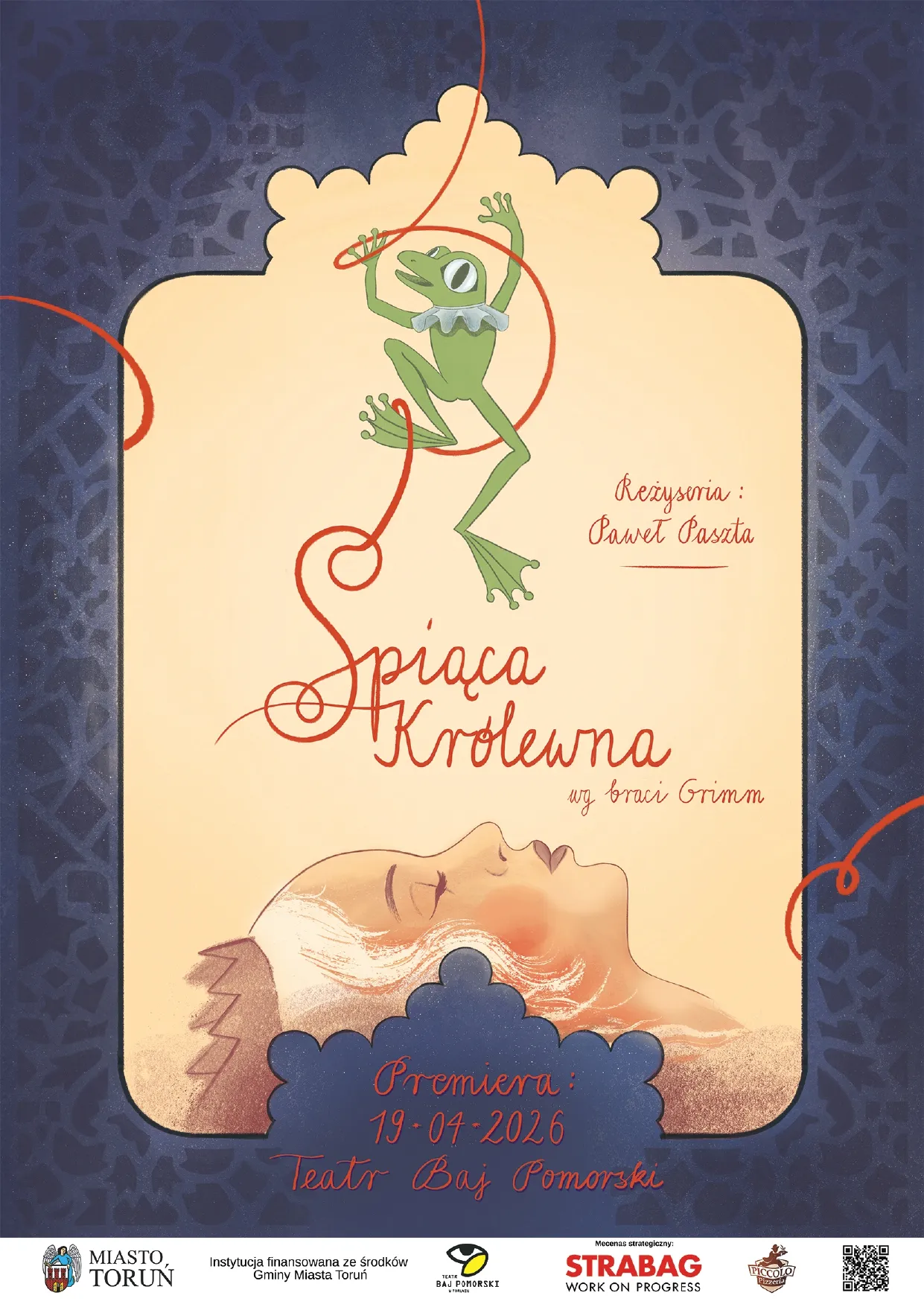
- author
- Paweł Paszta
- directed by
- Paweł Paszta
- set, costumes, puppets
- Ewelina Brudnicka
- music
- Tomasz Jakub Opałka
- choreography
- Natalia Iwaniec
- stage manager
- Edyta Borszewska
- preparation of Rose and Frog puppets
- Rafał Budnik (after the project of Ewelina Brudnicka)
- director's assistant
- Marta Parfieniuk-Białowicz
- poster
- Ewelina Brudnicka
- cast
- Rose, the Princess - Marta Parfieniuk-Białowicz
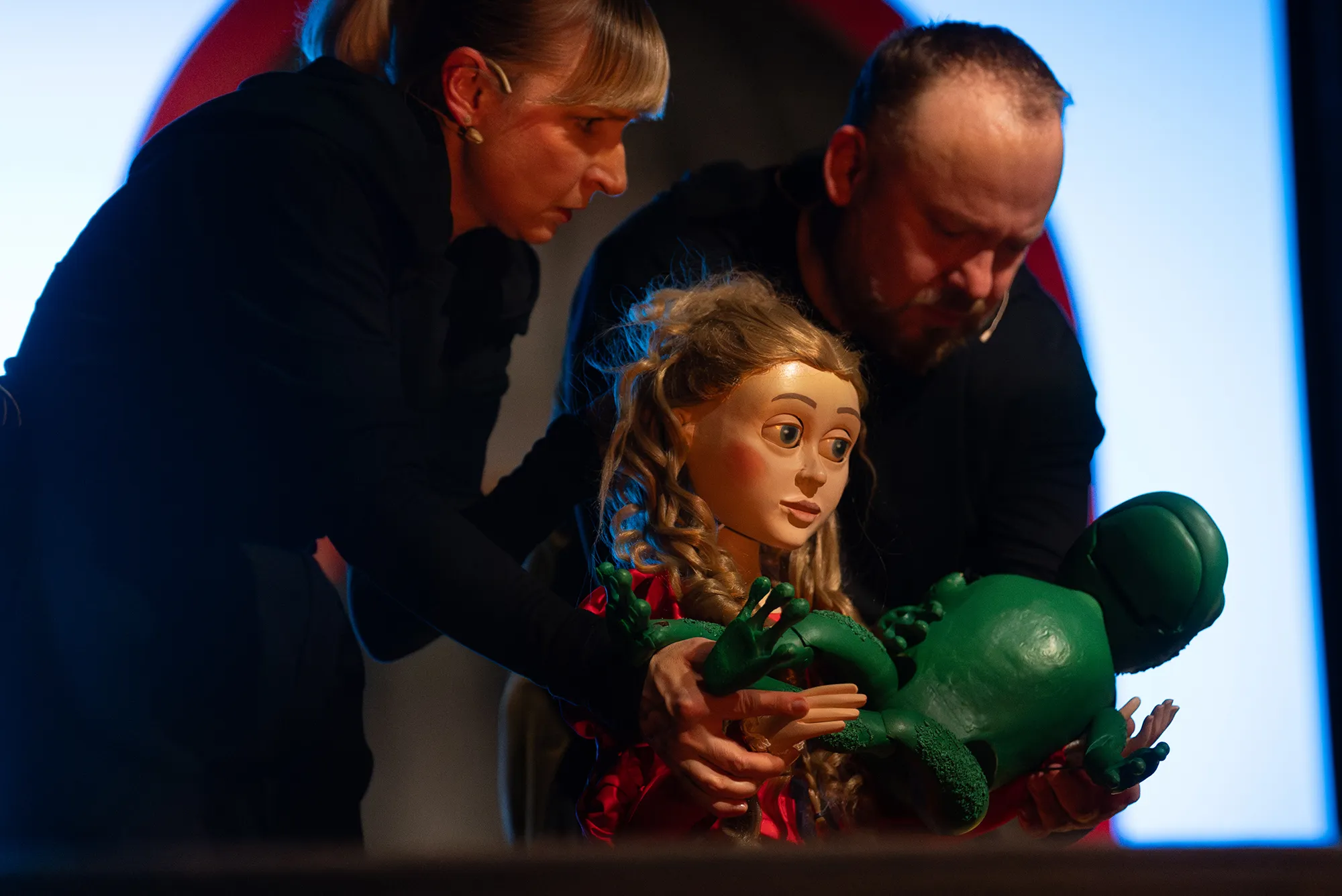
- Rex, the Frog - Mariusz Wójtowicz
- Queen - Grażyna Rutkowska-Kusa
- King - Krzysztof Grzęda
- Aqua, the Fairy - Dominika Miękus
- Terra, the Fairy - Iga Bancewicz-Chojęta
- Aria, the Fairy - Martyna Braca
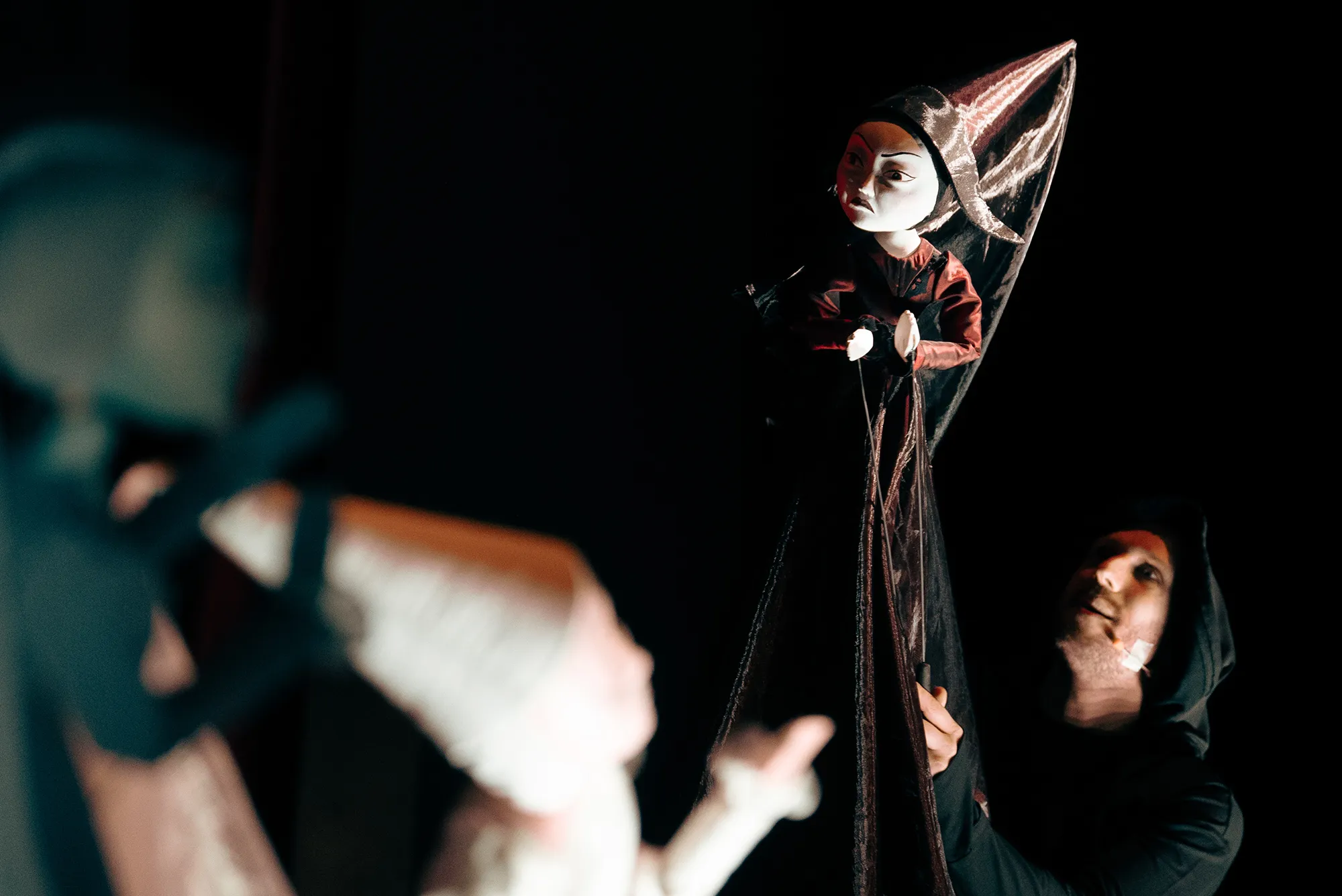
- Evil Witch - Rafał Przytocki
- extras
- Bogdan Olszewski
- Wojciech Domański
Theatre Baj Pomorski in Toruń, premiere 19. April 2026, big stage
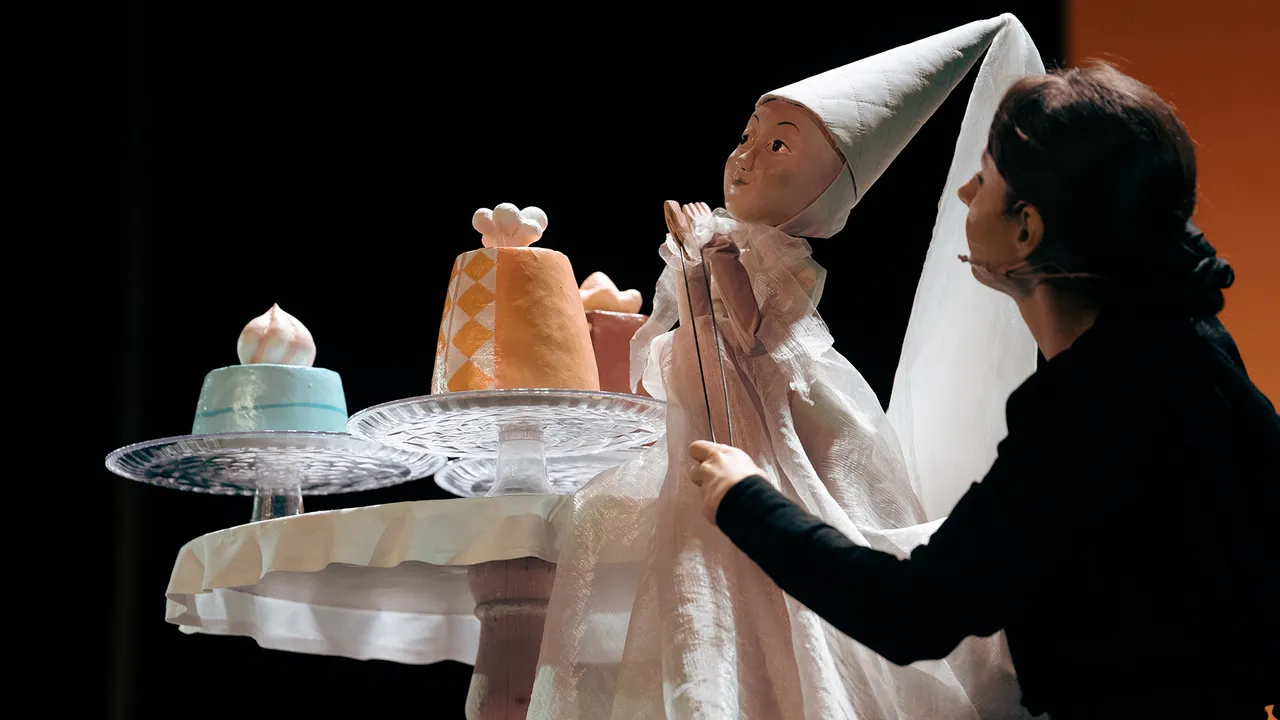
part of a review of Prof. Violetta Wróblewska:
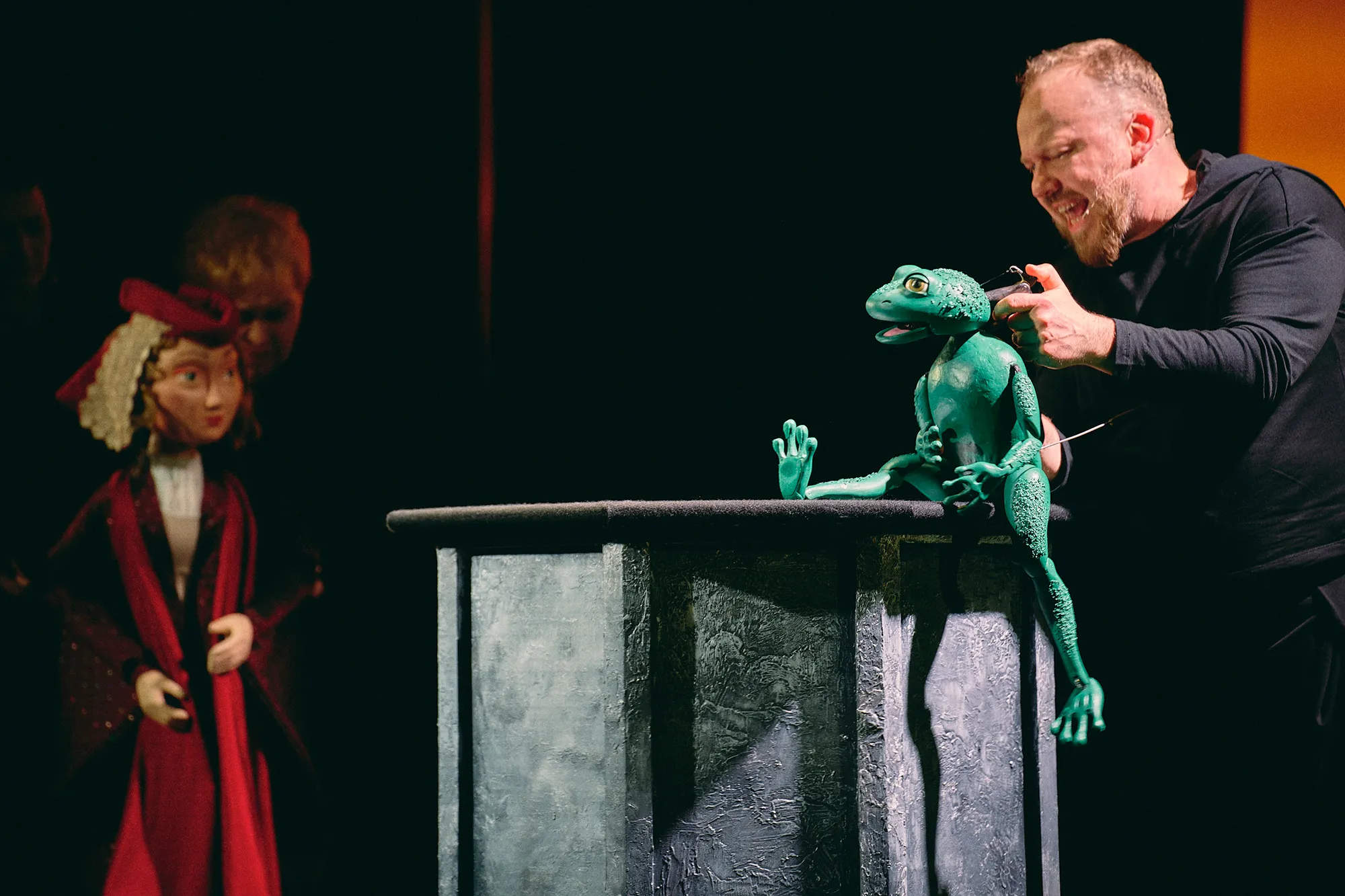
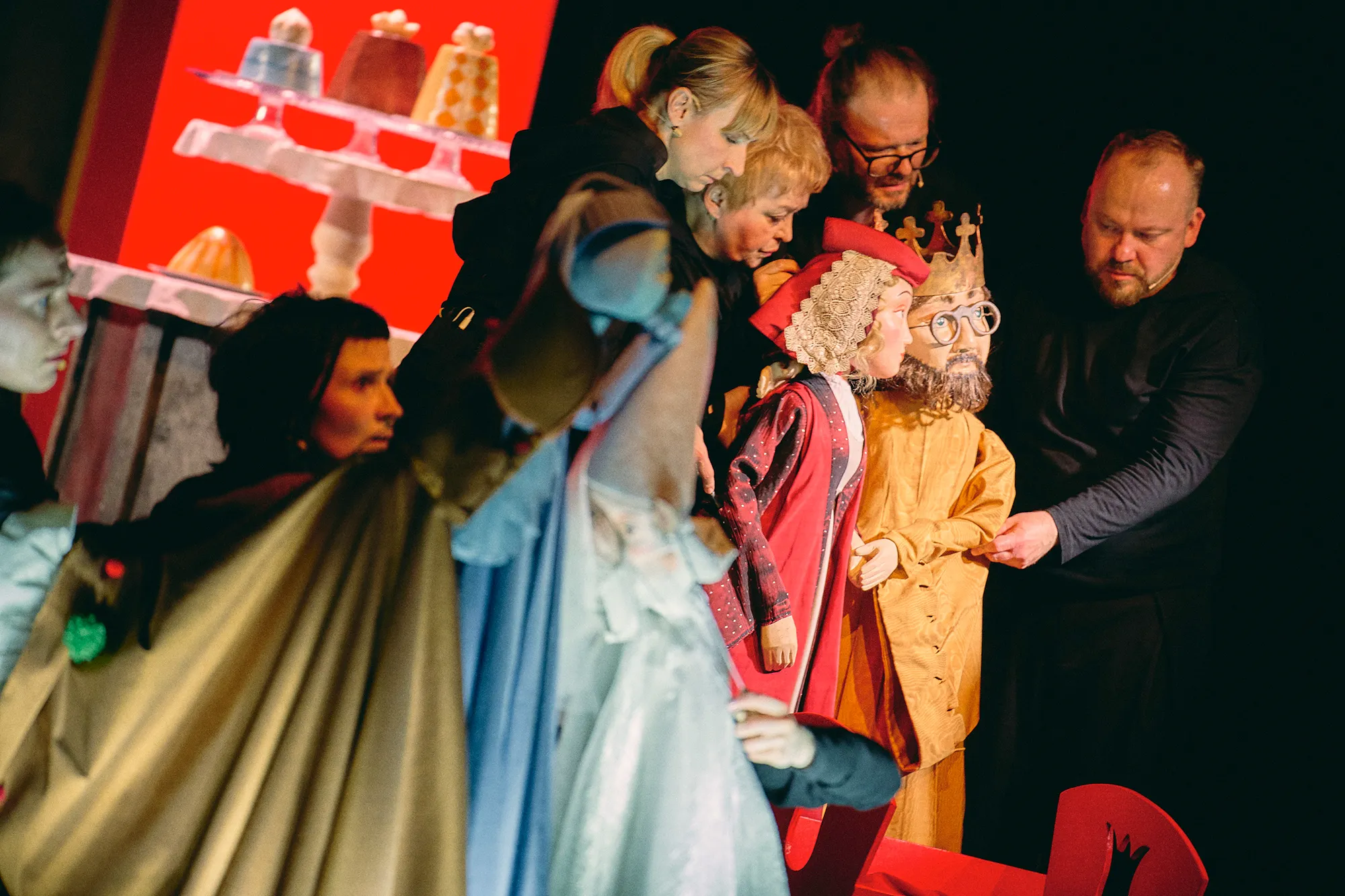
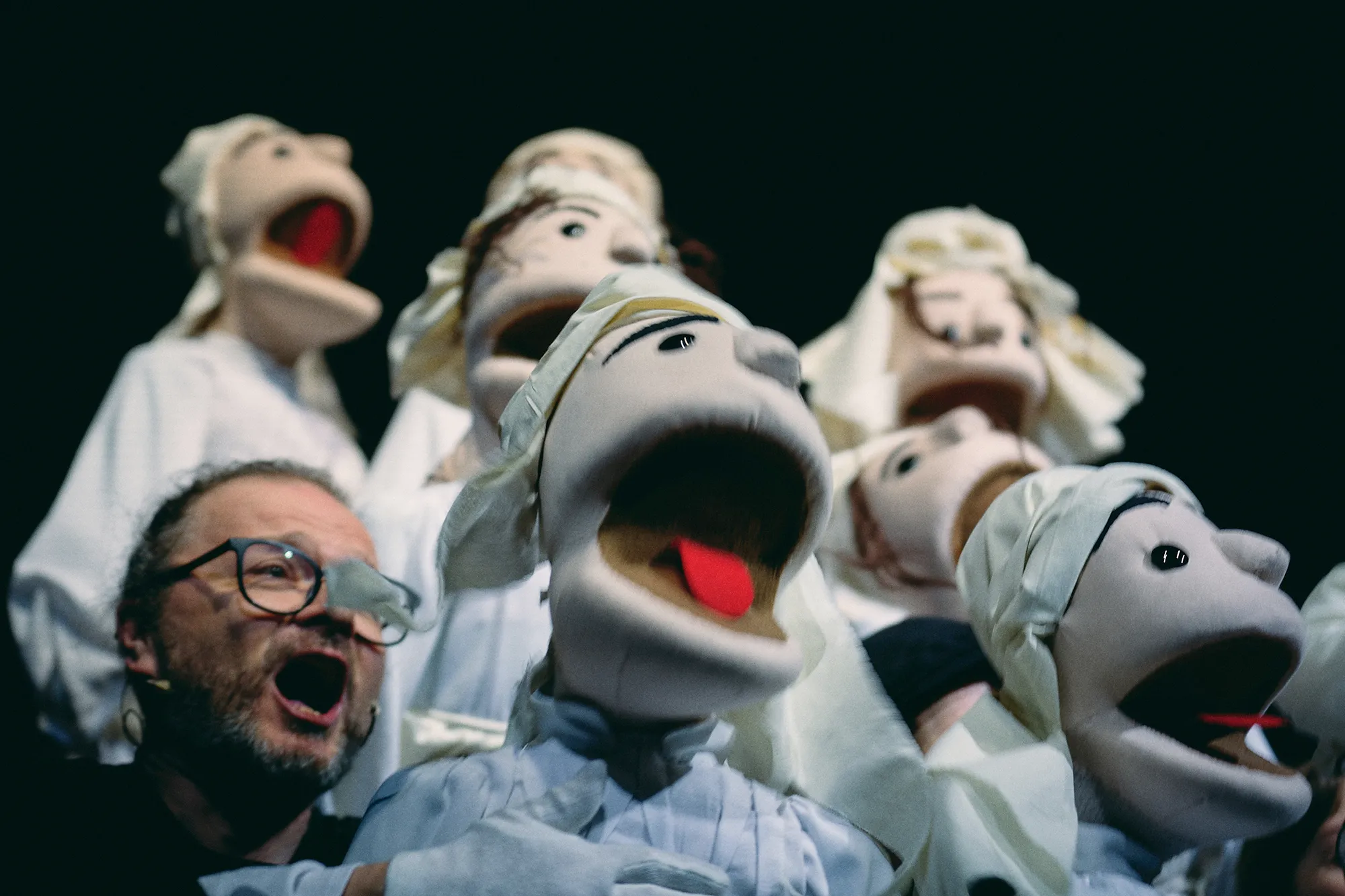
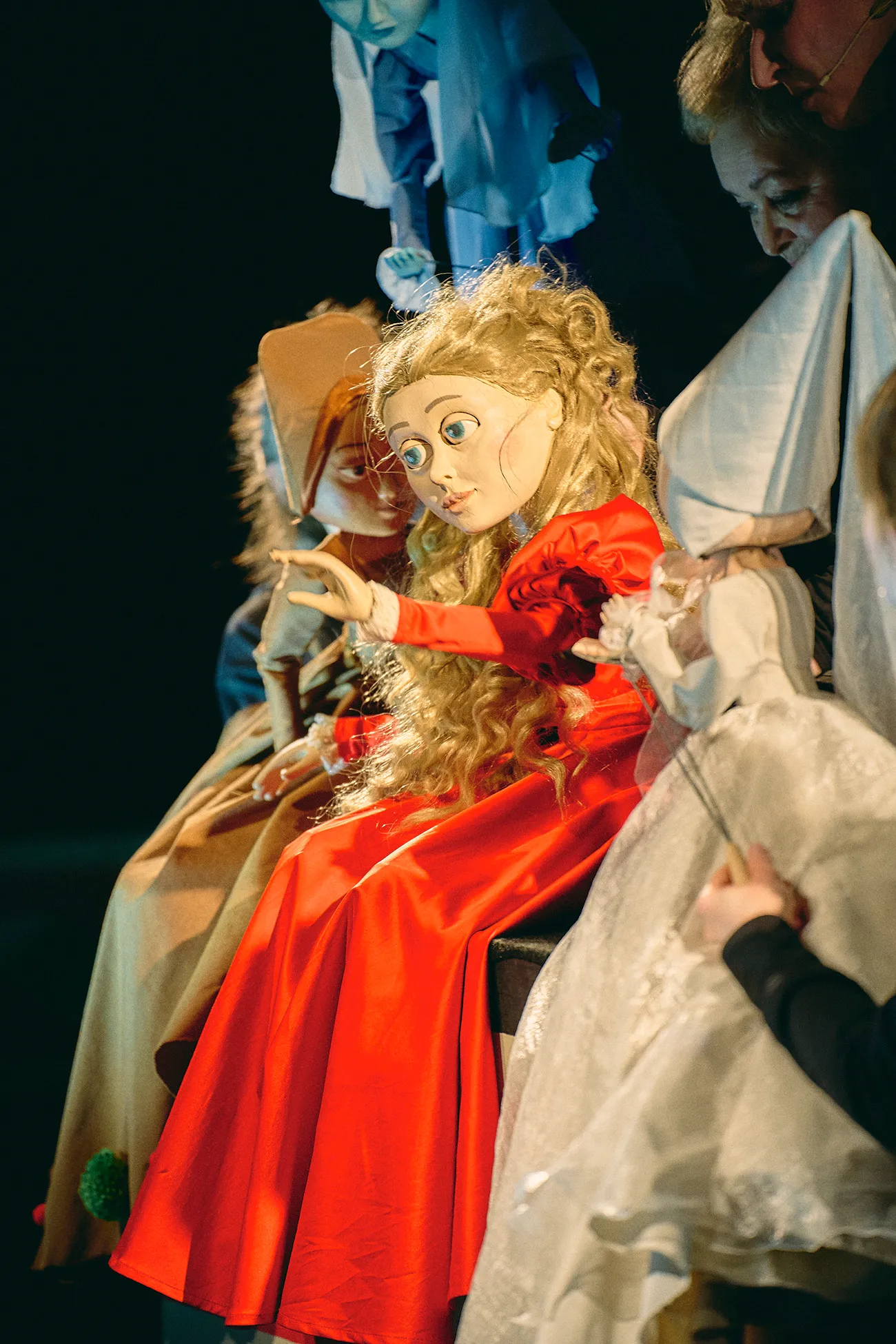
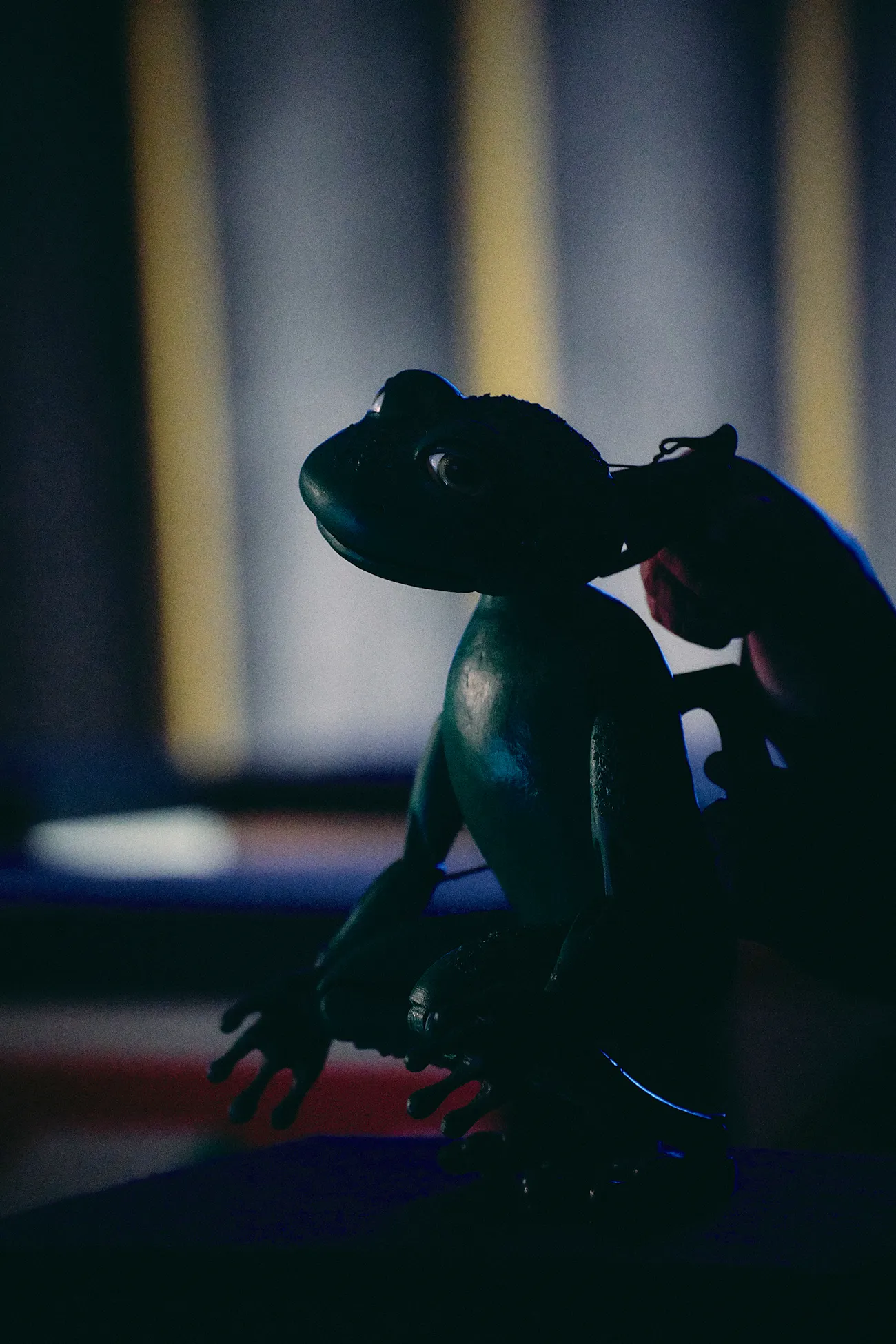
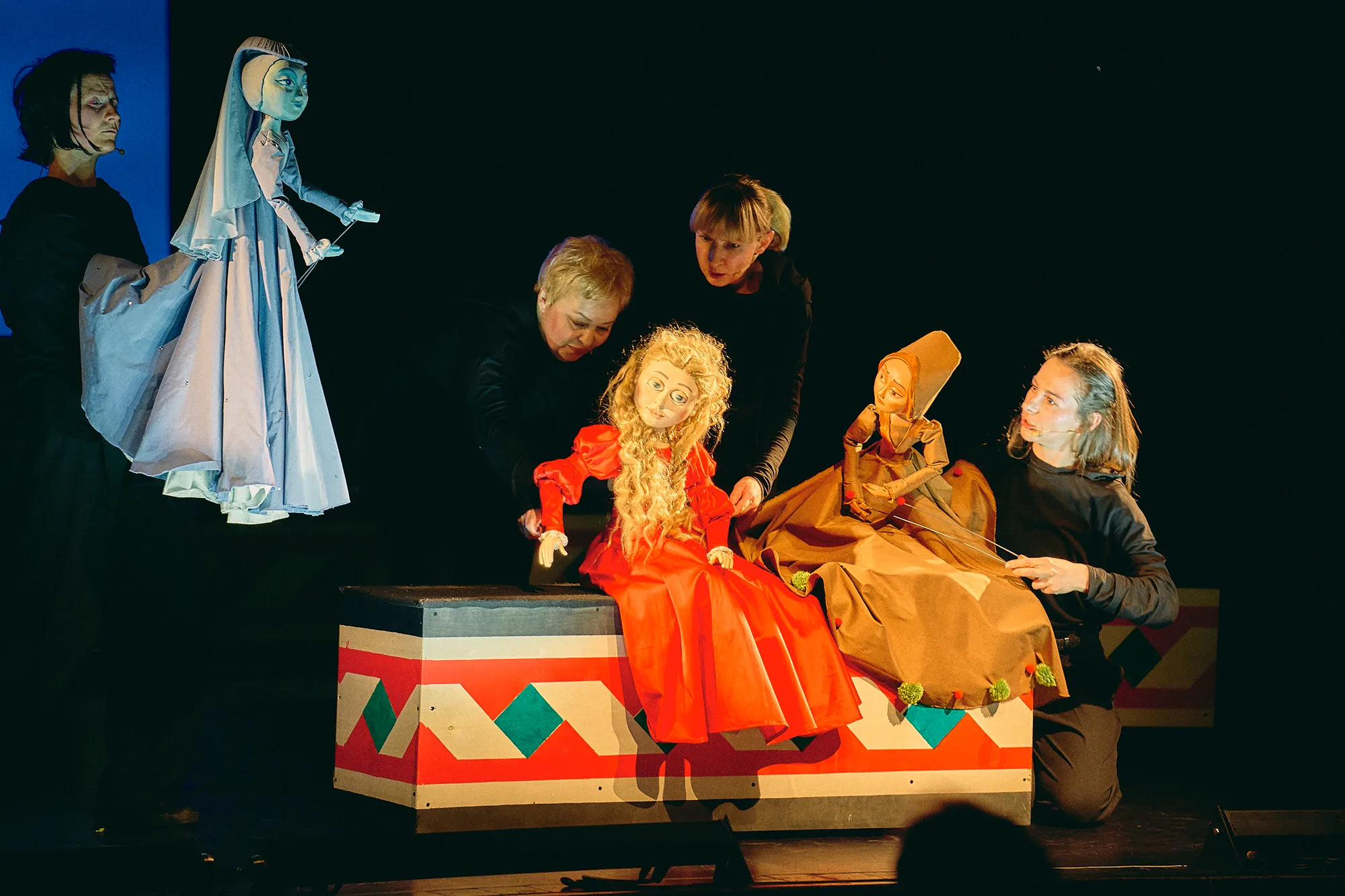
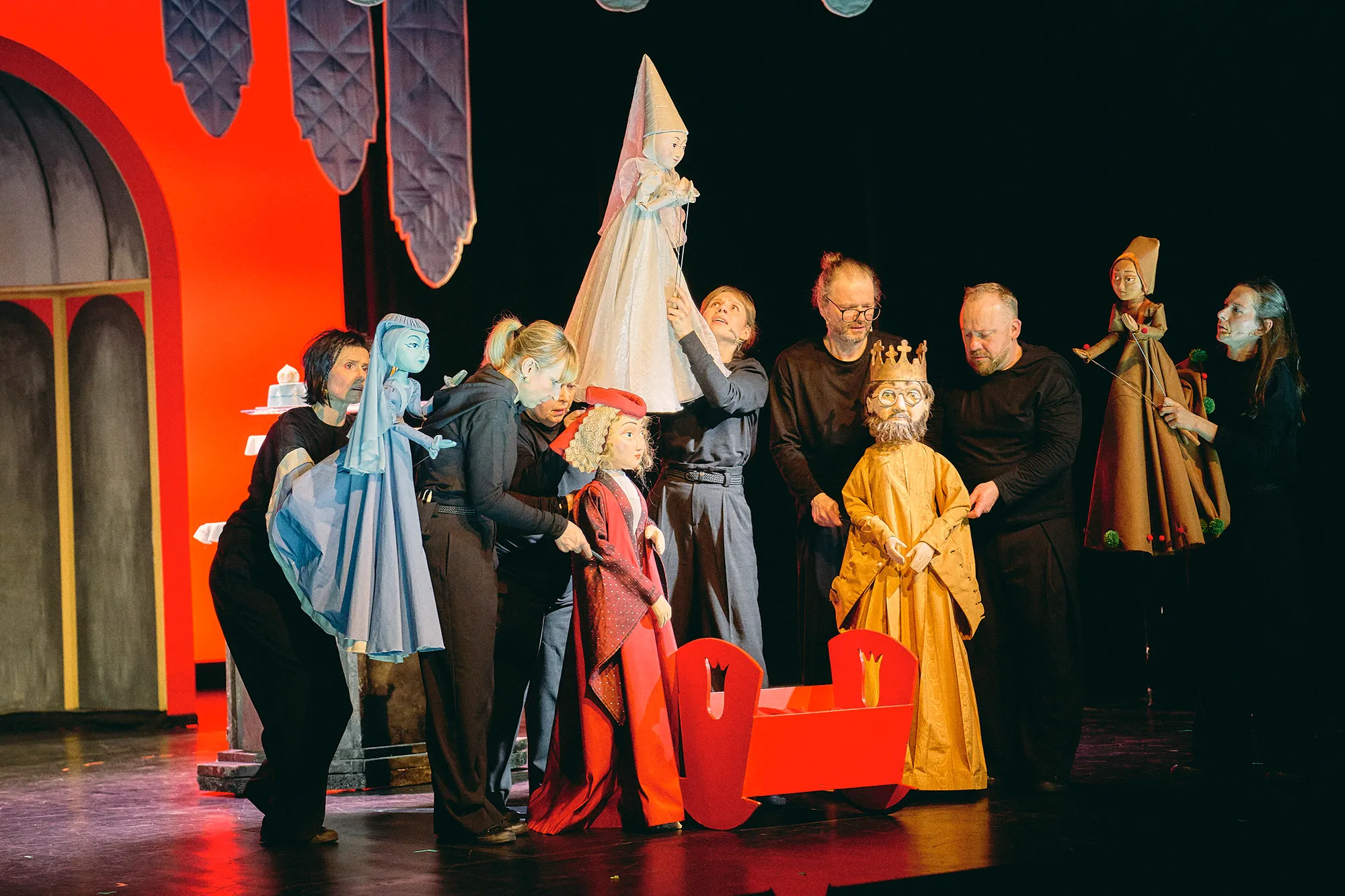
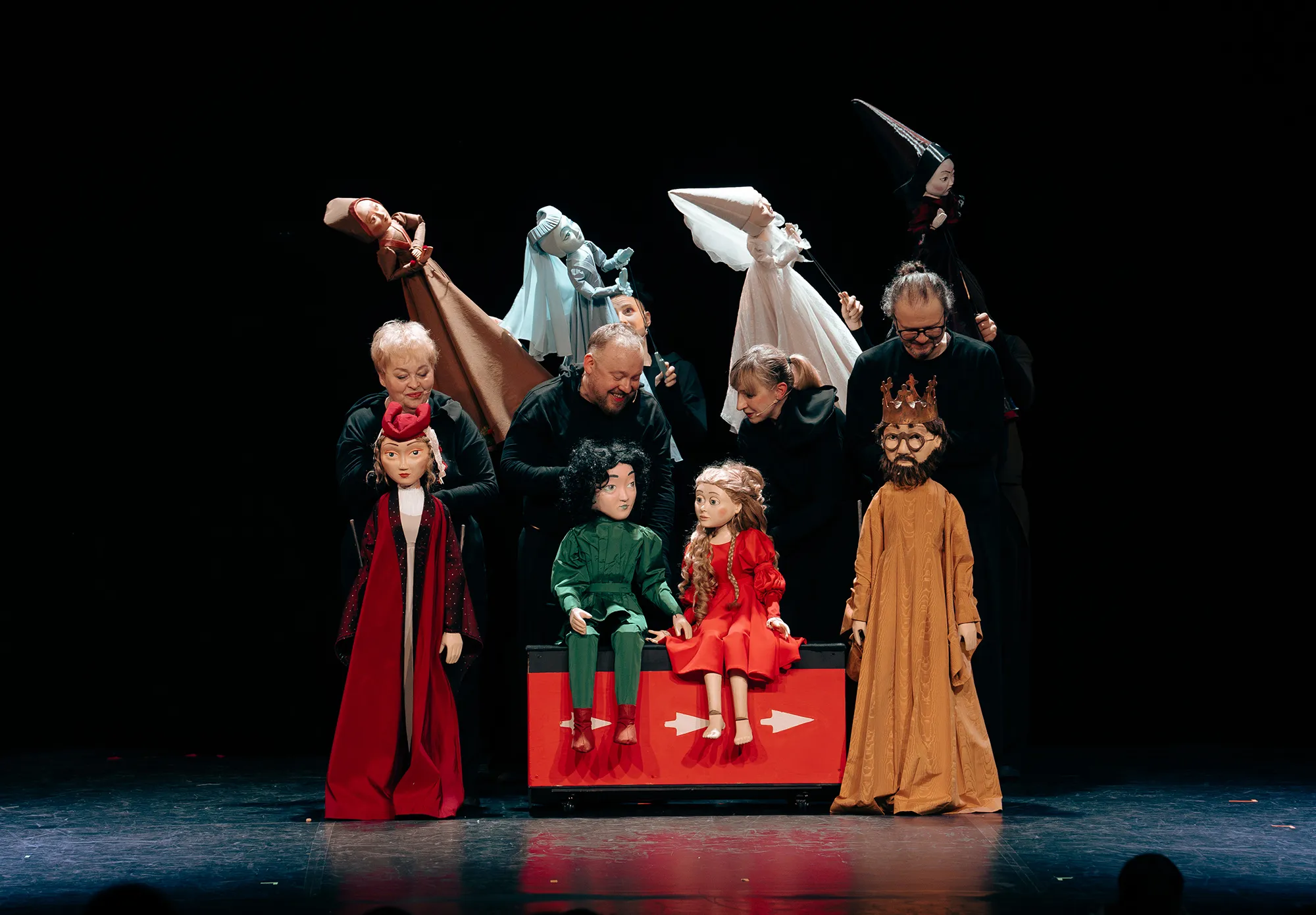
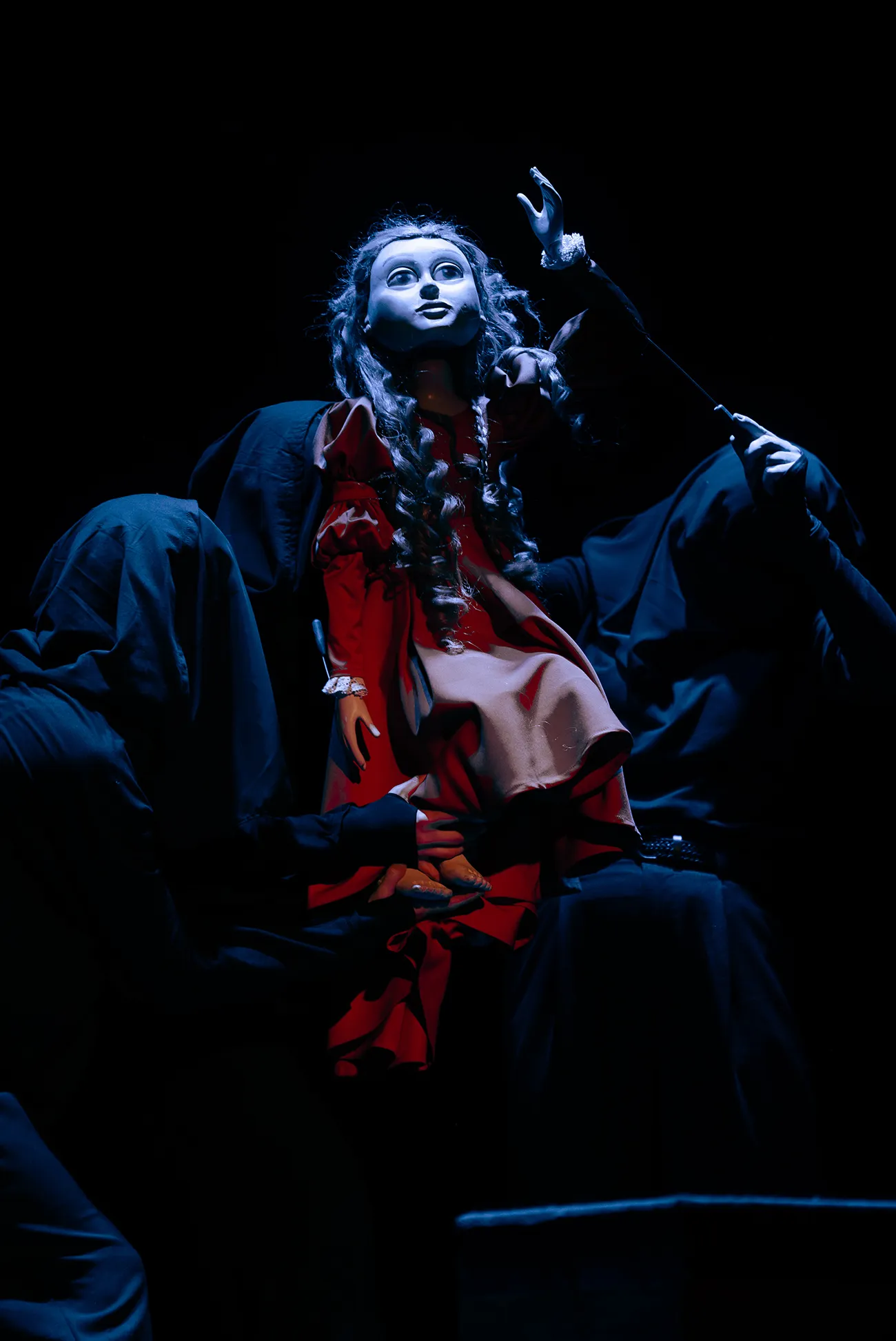
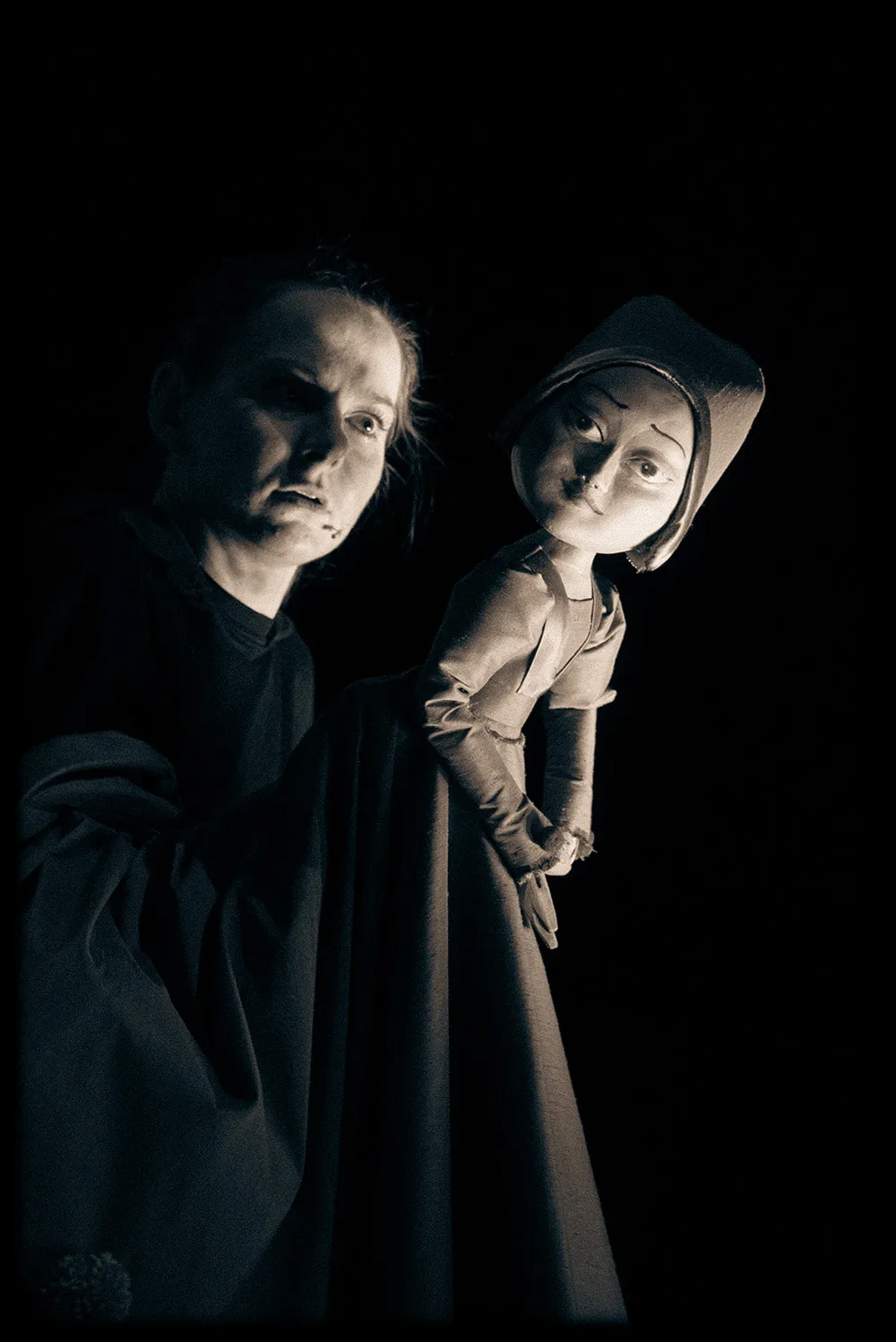
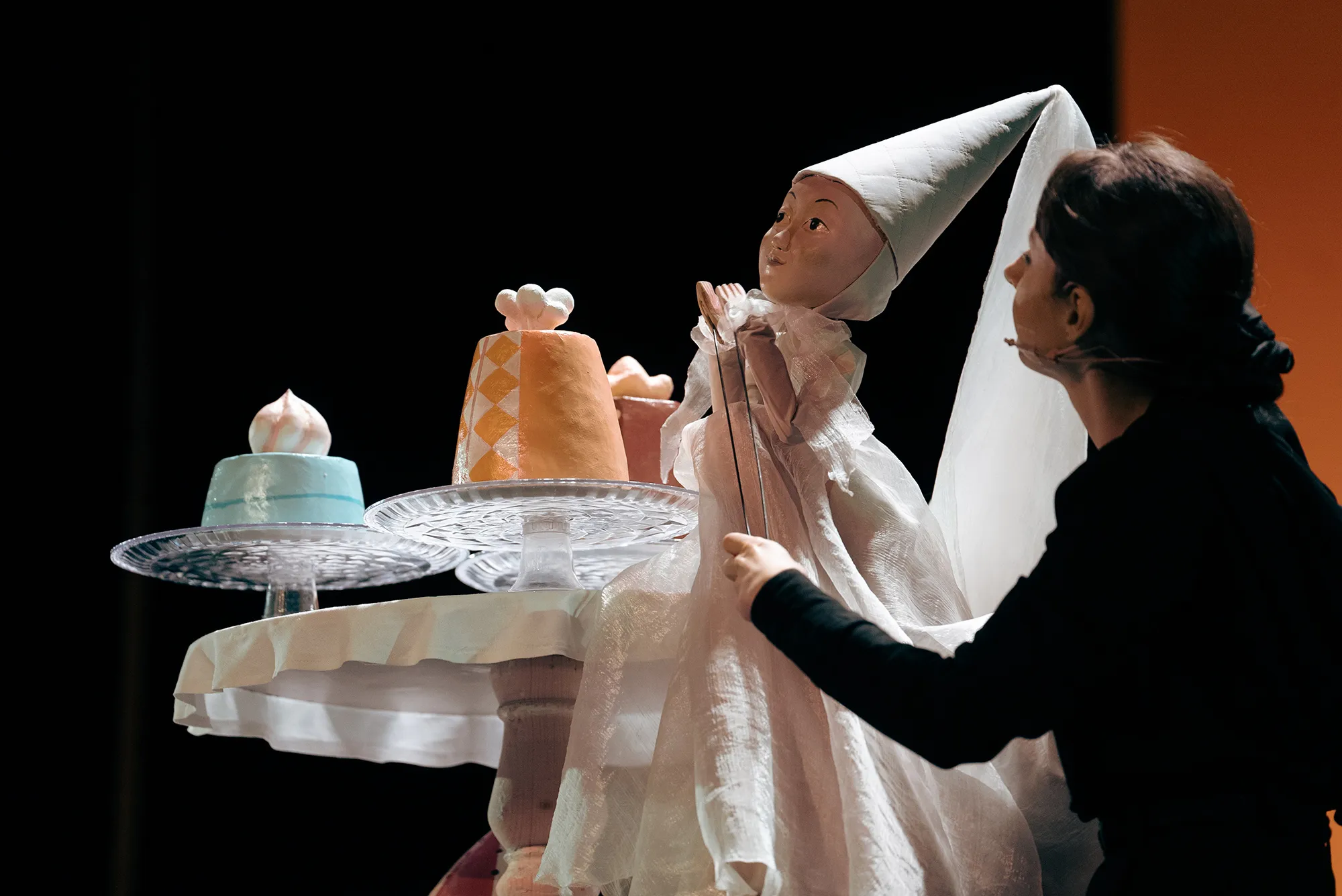
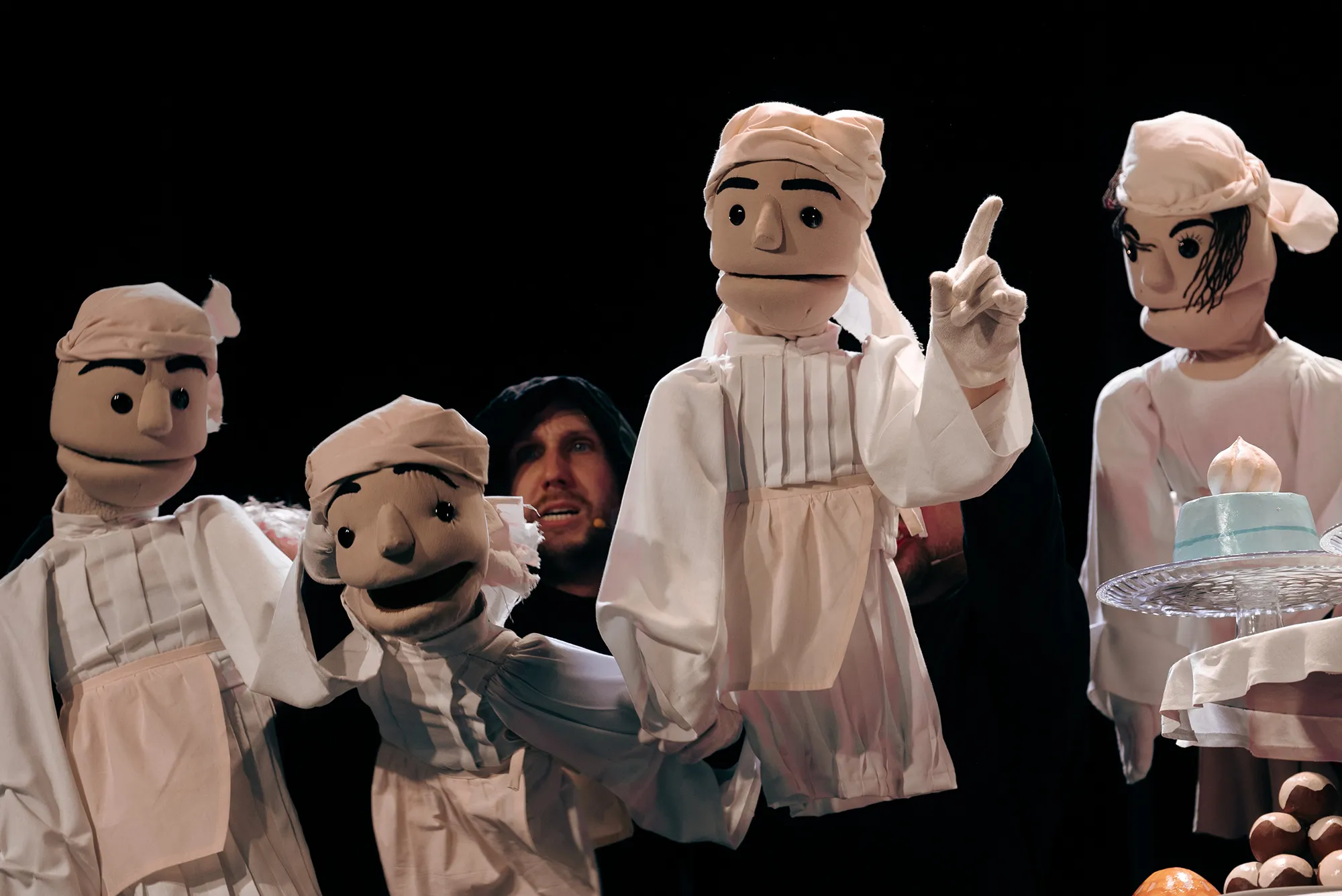
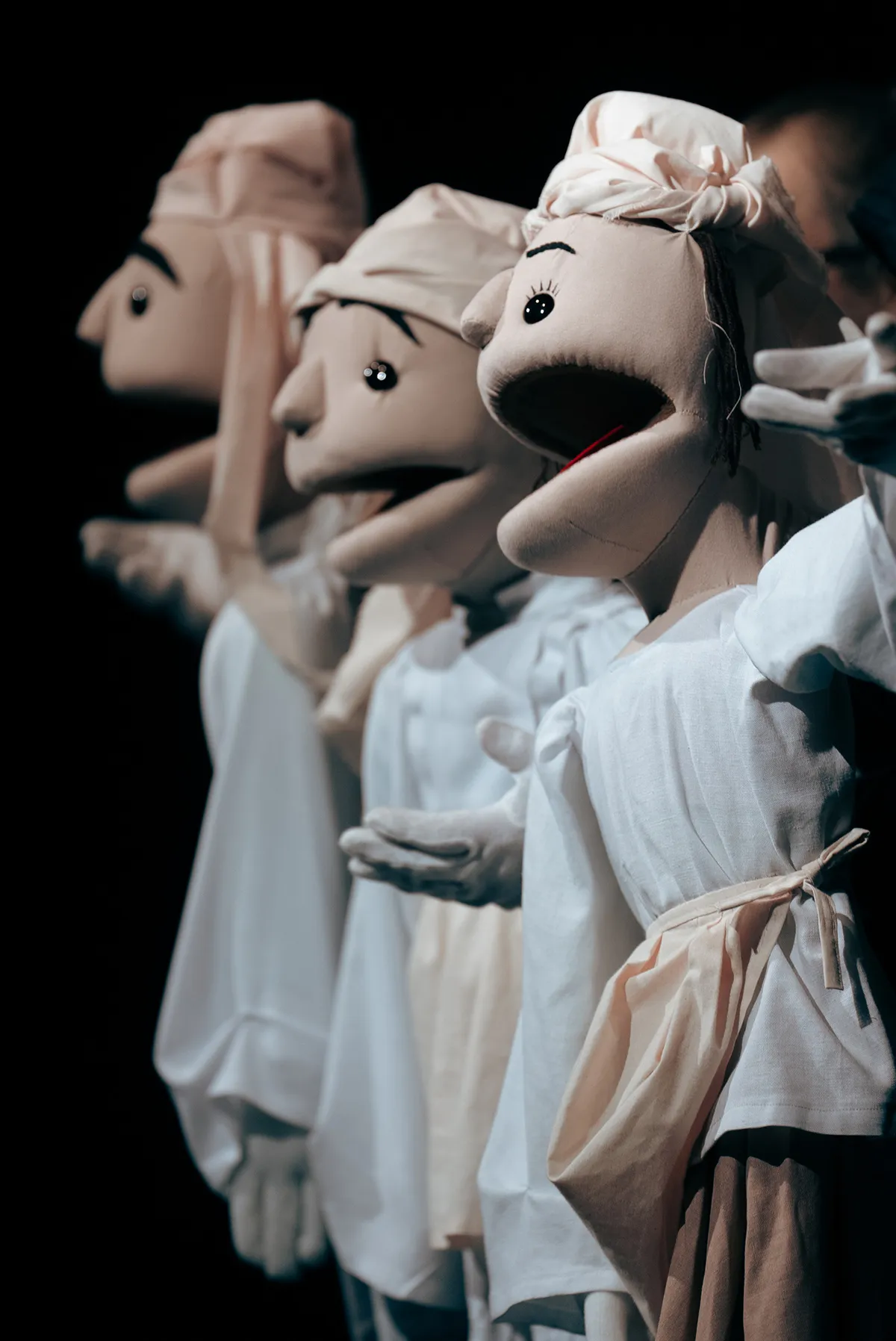
I watch fairy tales, I read fairy tales, I study fairy tales, and I even award prizes for them… That’s exactly what happened last Sunday. The long-awaited premiere of ‘Sleeping Beauty’ (based on the Brothers Grimm’s fairy tale), directed by Paweł Paszta, took place at the ‘Baj Pomorski’ Theatre. A classic fairy tale retold, without multimedia, but with superb music (Tomasz Jakub Opałka) and beautiful puppets (designed by Rafał Budnik). The whole production is bathed in a soft glow, in a gentle twilight, with a minimal number of props (set design by Ewelina Brudnicka), which helps to create a fairy-tale atmosphere and to tell the story on stage. The most beautiful moment of the performance is the scene in which Princess Rose pricks her finger on a spindle and falls into a hundred-year sleep – poignant, visually refined, and yet highly evocative. The spinning wheel and the red thread floating through the space alongside the girl – a perfectly highlighted symbolism of maturation, a time of transition, a harbinger of change. The psychoanalytical, and even therapeutic, concept behind the performance is, in fact, evident in many other situations – when the parents discuss their daughter’s upbringing, preparing her for the hundred-year sleep through their conversations, and the fairies (wonderful!) explain its essence and necessity, and furthermore support the princess, building her self-esteem, just as her friend Reks (the frog) does. The insertion of the animal-human character must be regarded as an equally successful idea. The director not only alludes to another Grimm fairy tale – ‘The Frog King’ – but also draws out and develops the ‘frog motif’ from ‘Sleeping Beauty’ – after all the frog foretells the queen’s pregnancy and disappears. I consider the expansion of this role, which was modest in the original, to be a highly original and valuable solution, especially as it triggers other cultural associations, foremost among them Kermit the Frog from the (once) famous cabaret-puppet television programme The Muppet Show. In any case, this cabaret-like, or perhaps carnival-like, tone resonates in other parts of the production too (e.g. the joyful kitchen scenes), which shatters the lyricism of the maturation story. Perhaps that was the director’s intention? I won’t reveal the final effect of combining various conventions and the Grimm fairy tales (no information on the translation), as it’s worth self-seeing , but as far as I’m concerned – it’s satisfying.
source: www.facebook.com/violetta.wroblewska.94